AFCON 2025
CAF Confirms Africa Cup Of Nations Will Move To Four-Year Cycle After 2028
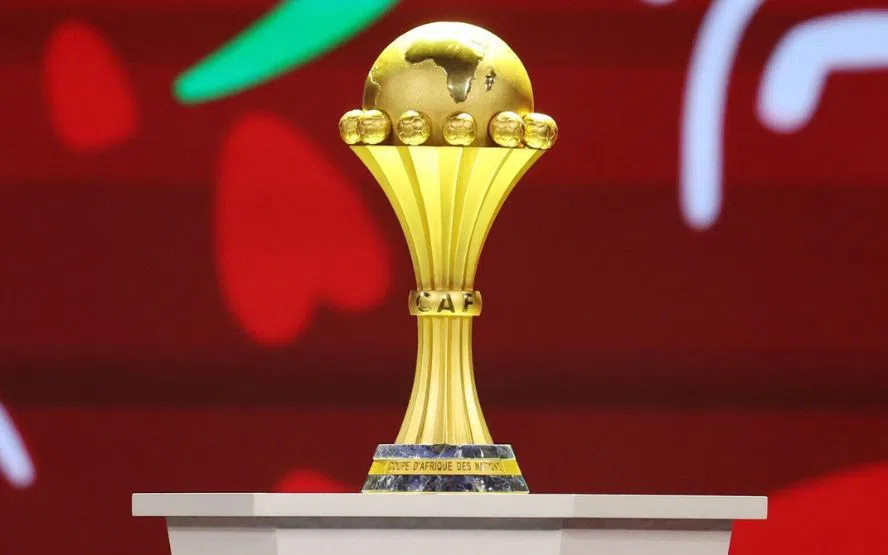
The Confederation of African Football (CAF) has officially confirmed a major shake-up to the continent’s biggest football tournament. After decades of tradition, the Africa Cup of Nations (AFCON) will move from its long-standing biennial format to a four-year cycle starting after the 2028 edition.
The announcement was made by CAF President Patrice Motsepe, who described the decision as part of a broader plan to modernise African football and align it more closely with the global football calendar.
Why CAF Is Changing AFCON’s Format
Since 1968, AFCON has been held every two years, becoming one of the most frequent major international tournaments in world football. Apart from a one-off calendar adjustment between the 2012 and 2013 editions, the biennial format has remained unchanged for over five decades.
However, Motsepe believes the current structure places unnecessary strain on players, clubs, and national teams, especially as the global football calendar becomes increasingly congested.
“We have the most exciting new structure for African football,” Motsepe said.
“The global calendar has to be significantly more synchronised and harmonised.”
By moving AFCON to a four-year cycle, CAF aims to give the tournament greater prestige, reduce scheduling conflicts with club competitions, and allow African players to perform at their peak during international duty.
What Happens Before The New Cycle Begins
The transition will not be immediate. CAF confirmed that:
-
AFCON 2027 will take place in East Africa as planned
-
A follow-up tournament will be held in 2028
-
The four-year AFCON cycle will officially begin after the 2028 edition
This phased approach is designed to ensure a smooth transition without disrupting existing hosting commitments or qualification pathways.
African Nations League Set To Launch In 2029
To replace the competitive rhythm lost by ending the biennial AFCON, CAF plans to introduce an African Nations League starting in 2029.
The annual competition will provide:
-
Regular high-level international matches
-
Improved competitive balance across African nations
-
Reduced pressure on the international calendar
The Nations League concept mirrors similar tournaments in Europe and is expected to boost match quality, commercial appeal, and player development across the continent.
What This Means For African Football
The move represents a significant cultural shift for African football fans, many of whom grew up watching AFCON every two years. However, supporters and stakeholders alike may benefit from a more prestigious, better-timed tournament that fits seamlessly into the global football ecosystem.
If executed successfully, the new structure could elevate AFCON’s global standing, improve player welfare, and unlock new commercial opportunities for African football.
Want to advertise with us? Contact sales@ventolitemarketing.com




Man Utd One Step Away From Finalising £43m Ederson Transfer As Manager Confirms Talks With ‘Top Club’

Pep Guardiola Admits Emotional Manchester City Exit Speech Was ‘A Disaster’

Man Utd One Step Away From Finalising £43m Ederson Transfer As Manager Confirms Talks With ‘Top Club’

Martin Odegaard Critics Leave Ex-Premier League And Norway Star ‘Shocked And Surprised’ As Arsenal Captain Has Morphed From ‘Boring’ To ‘Amazing’

Biggest Regrets? Michael Owen Picks Two Tournaments England’s ‘Golden Generation’ Of David Beckham & Co Should Have Won

The Only Way Alisson Will Leave Liverpool Amid Shock Transfer Talk As John Arne Riise Sounds ‘Nobody’ Warning To The Reds
-

![]() World Cup 20262 days ago
World Cup 20262 days agoBiggest Regrets? Michael Owen Picks Two Tournaments England’s ‘Golden Generation’ Of David Beckham & Co Should Have Won
-
![]() Sports Analysis2 days ago
Sports Analysis2 days agoPep Guardiola Admits Emotional Manchester City Exit Speech Was ‘A Disaster’
-
![]() Transfers2 days ago
Transfers2 days agoMan Utd One Step Away From Finalising £43m Ederson Transfer As Manager Confirms Talks With ‘Top Club’
-
![]() World Cup 20262 days ago
World Cup 20262 days agoGladbach’s Gio Reyna In, Diego Luna Shockingly Out Of USMNT Squad For 2026 World Cup
-
![]() CHAMPIONS LEAGUE2 days ago
CHAMPIONS LEAGUE2 days agoIs Lindsey Heaps The Greatest American To Play In Europe? Lyon Star Chases History In Champions League Final
-
![]() Transfers2 days ago
Transfers2 days agoThe Only Way Alisson Will Leave Liverpool Amid Shock Transfer Talk As John Arne Riise Sounds ‘Nobody’ Warning To The Reds
-
![]() Transfers2 days ago
Transfers2 days agoMan Utd One Step Away From Finalising £43m Ederson Transfer As Manager Confirms Talks With ‘Top Club’
-
![]() World Cup 20262 days ago
World Cup 20262 days agoMexico Player Ratings Vs Ghana: Gilberto Mora Steals The Show As El Tri Build World Cup Momentum