
Premier League
Arsenal Set For Cash Boost As Gunners Eye Emirates Expansion And Wembley Move
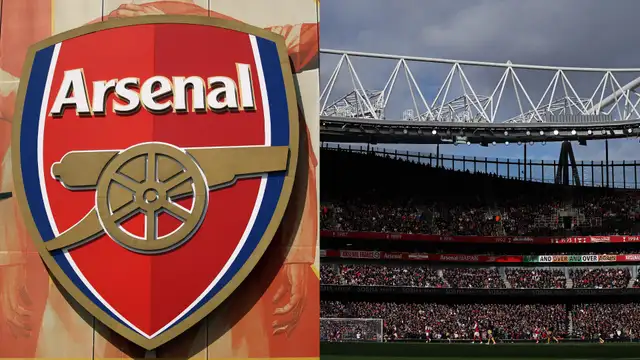
Arsenal are preparing for a major financial lift as the club lines up a new multi-million-pound matchday deal at the Emirates Stadium and explores ambitious expansion plans that could eventually see them relocate to Wembley Stadium for two seasons.
Arsenal To Restructure Catering Deal At The Emirates
The Gunners are set to renegotiate their 20-year food and beverage partnership with Delaware North, which expires next summer. The original deal was signed under financial strain during the construction of the Emirates back in 2006, leaving the club locked into outdated terms for nearly two decades.
Now, Arsenal have the leverage to secure a far more lucrative arrangement, with multiple firms already in talks. According to reports, the new contract could boost matchday revenue by £500,000 per game, amounting to more than £10 million annually.
This comes off the back of record financial results for the 2023-24 season, when the club posted revenues of £616.6 million, including £132 million from matchday income alone. With sell-out crowds and a consistent return to Champions League football, the Emirates has become one of the Premier League’s most valuable commercial assets.
Expansion Plans Could Take Arsenal To Wembley
Alongside the catering shake-up, Arsenal are drawing up long-term redevelopment plans to increase the stadium’s current 60,704 capacity. The proposals could take the Emirates up to 70,000–80,000 seats, bringing it closer to rivals like Manchester United’s Old Trafford and Tottenham’s state-of-the-art stadium.
Such an upgrade would not come cheap, with estimates suggesting costs could exceed £500 million. That price tag might force the club to temporarily relocate home games to Wembley Stadium for up to two years — echoing Tottenham’s move during the construction of their new ground.
A more modest option under consideration would be reconfiguring corporate boxes into open hospitality sections, potentially adding 2,000 extra seats at a much lower cost of around £100 million.
Emirates Stadium’s Place In Arsenal’s History
When the Emirates opened in 2006, it transformed Arsenal’s financial power, boosting annual matchday revenue from £37 million at Highbury to over £90 million in its early years. But the move also ushered in a decade of financial restraint under Arsène Wenger, limiting spending on player transfers.
Over time, the club has “Arsenalised” the stadium with statues, murals, and historic touches like the Highbury clock, but demand for tickets has continued to outstrip supply. With over 100,000 fans reportedly on the waiting list for season passes, KSE’s ownership is now prioritising ways to expand capacity and modernise facilities to maximise long-term revenue.
Interestingly, this isn’t the first time Arsenal have considered Wembley. In the 1990s, the club even attempted to buy the stadium outright before the FA rejected the bid. They also played Champions League home matches at Wembley between 1998 and 2000, making a potential two-year return a familiar prospect for fans.
The Bottom Line
With new catering partnerships and potential stadium expansion, Arsenal are positioning themselves for a new era of financial strength. Whether it’s a modest capacity boost or a £500m overhaul, the Emirates is set to remain central to the Gunners’ long-term vision — even if it means calling Wembley home once again in the near future.




Barcelona under RFEF investigation after Atletico Madrid complaint over Julian Alvarez pursuit

Chelsea wonderkid Nelly Las aiming to surpass Lucy Bronze after dream summer move

Real Madrid plot Franco Mastantuono loan as Serie A trio battle for Argentine wonderkid

Ghana star Mohammed Fuseini attacked and robbed after Brussels nightclub ordeal
Iliman Ndiaye’s father shuts down Al-Hilal transfer rumours with clear Everton stance

Marc Cucurella unveils Luis de la Fuente tattoo after keeping World Cup promise
-

 Other News3 days ago
Watch: Mathys Tel scores stunning 25-yard free-kick as Tottenham beat Sydney FC in pre-season shootout
-
 World Cup 20263 days ago
Marc Cucurella unveils Luis de la Fuente tattoo after keeping World Cup promise
-
Other News3 days ago
Jobe Bellingham sends bold message to Borussia Dortmund fans after promising first season
-
Other News3 days ago
Xabi Alonso hints at more Chelsea transfers as he reveals plan to unleash Morgan Rogers and Cole Palmer together
-
Sports Analysis1 day ago
Barcelona under RFEF investigation after Atletico Madrid complaint over Julian Alvarez pursuit
-
Sports Analysis3 days ago
Jordan Henderson terminates Brentford contract as Chelsea close in on shock free transfer
-
Transfers1 day ago
Iliman Ndiaye’s father shuts down Al-Hilal transfer rumours with clear Everton stance
-
News1 day ago
Ghana star Mohammed Fuseini attacked and robbed after Brussels nightclub ordeal