CHAMPIONS LEAGUE
Manchester United Stars Reportedly Back Lisandro Martínez Over Transfer Concerns
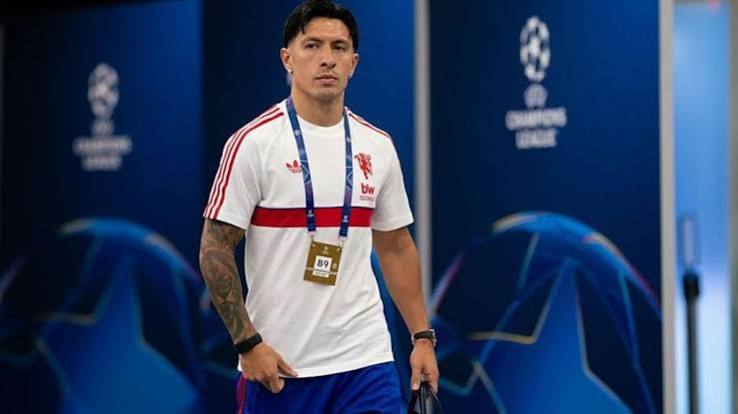
Manchester United’s recruitment strategy is facing renewed scrutiny, with senior players reportedly sharing Lisandro Martínez’s frustration over the club’s transfer priorities and the balance of the squad.
The reported unrest follows Martínez’s public criticism after United’s 2–0 Champions League defeat to Atlético Madrid. According to a report by talkSPORT cited in the supplied coverage, the defender’s concerns may reflect wider feelings within the dressing room rather than an isolated opinion.
At the centre of the issue is the club’s reported decision to concentrate a significant portion of its summer transfer budget on midfield reinforcements while leaving other areas of the team in need of attention.
The situation has raised questions about the direction of United’s recruitment, with technical director Jason Wilcox reportedly facing criticism over the club’s transfer decisions.
Senior Players Reportedly Share Martínez’s Frustration
Martínez’s comments have drawn attention to an issue that extends beyond individual performances: whether Manchester United’s recruitment strategy has adequately addressed the squad’s most pressing weaknesses.
According to the report, several senior players are concerned that the club prioritised midfield additions without making comparable improvements to its defensive options.
United reportedly invested heavily in midfield, with Carlos Baleba, Andrey Santos and Youri Tielemans identified as major additions in the supplied article.
While strengthening the centre of the pitch can improve possession, control and transitions, squad construction also requires a balance between departments.
Concerns reportedly remain over full-back depth and central defence, particularly given recurring fitness problems among defensive players.
However, the suggestion that multiple players share Martínez’s views remains attributed to media reporting. Without direct confirmation from those involved, it should not be treated as an established dressing-room position.
United’s Recruitment Strategy Under Scrutiny
Manchester United’s transfer decisions are receiving greater attention as the team struggles to produce consistent results.
The argument presented in the report is not necessarily that midfield reinforcements were unnecessary, but that the distribution of resources may have left other important positions insufficiently addressed.
Full-backs provide width, defensive cover and support in possession, while reliable centre-backs are essential for maintaining structure and dealing with opposition attacks. Weaknesses in those areas can become especially costly when injuries limit a manager’s options.
For United, the challenge is to ensure that recruitment decisions work together as part of a coherent plan rather than addressing individual needs in isolation.
The club must also balance immediate requirements with longer-term development, financial considerations and the availability of suitable targets.
Those decisions are rarely straightforward, but disappointing results inevitably intensify scrutiny over whether the available resources have been used effectively.
Jason Wilcox Faces Questions Over Squad Planning
The reported criticism has placed Jason Wilcox under the spotlight, with questions surrounding the club’s recruitment priorities and the process behind its summer business.
Recruitment decisions involve several considerations, including the manager’s tactical approach, the club’s scouting department, transfer-market availability and budget constraints.
Consequently, it would be premature to attribute every squad weakness to one individual without further evidence about how the decisions were made.
Nevertheless, United’s football leadership will need to demonstrate that there is a clear strategy for addressing the team’s outstanding needs.
That includes assessing defensive depth, planning for potential injuries and ensuring future additions complement the players already at the club.
The next transfer window could provide an opportunity to address those concerns, but the effectiveness of any changes will depend on the quality of the recruitment process rather than the number of players signed.
Poor Form Adds to the Pressure
The reported dressing-room concerns arrive at a difficult time for United.
The supplied report states that Michael Carrick’s side have gone five matches without a victory, a run that has increased pressure on the team and intensified questions about its overall direction.
When results deteriorate, weaknesses that might previously have attracted less attention become more visible. Defensive uncertainty, a lack of squad depth and inconsistent performances can all contribute to a growing sense of frustration.
However, poor form does not automatically establish that recruitment is the sole cause of the problem. Tactical decisions, player availability, execution on the pitch and the quality of opposition can also influence results.
United’s challenge is to identify the underlying issues accurately rather than allowing a difficult spell to dictate every decision.
Is Changing the Manager Enough?
The situation also raises a broader question about Manchester United’s long-term planning.
If the concerns outlined in the report reflect genuine structural weaknesses, replacing the manager alone would not necessarily resolve them.
A new coach would still need a balanced squad, suitable recruitment support and a clear understanding of the club’s footballing objectives.
Equally, recruitment improvements cannot guarantee better results without effective coaching, consistent performances and a coherent tactical system.
For United’s hierarchy, the priority should be to establish where the problems originate and ensure that decisions about the manager, squad and transfer policy support the same long-term direction.
Manchester United Need a Clear Plan
The reports surrounding Martínez have added another layer of pressure to an already challenging period for Manchester United.
Questions over squad balance, defensive depth and transfer priorities will continue to attract attention while results remain disappointing. The club’s response will therefore be important in restoring confidence in its footballing strategy.
For now, the reported frustration should be treated cautiously until more direct evidence emerges about the views of players within the dressing room.
Manchester United’s task is clear: build a squad capable of competing consistently, make recruitment decisions that address the team’s needs and establish a plan that extends beyond short-term reactions to poor results.




Manchester United Stars Reportedly Back Lisandro Martínez Over Transfer Concerns

Hansi Flick Warns Barcelona They Have Won Nothing Yet Despite Galatasaray Comeback

Rafael Leao Backs Lamine Yamal for Ballon d’Or After Barcelona Win

Rafael Leao Backs Lamine Yamal for Ballon d’Or Glory

Atlético Madrid to Honour Koke’s Mother Before Manchester United Champions League Clash

Vincent Kompany Refuses to Blame Artificial Pitch Ahead of Bayern Munich’s Viking Clash
-

 Chelsea2 days ago
Roman Abramovich’s Billions, Chelsea’s £85m Windfall and His Stance on a Football Return
-
Manchester United2 days ago
Man Utd Reportedly Regret Snubbing Ederson as Tielemans and Santos Face Scrutiny
-
LaLiga2 days ago
Dani Carvajal Reportedly Agrees Getafe Move as Real Madrid Rival Plans La Liga Rebuild
-
LaLiga2 days ago
Real Madrid Lead Race for Man Utd Wonderkid JJ Gabriel as 16-Year-Old’s Future Hangs in the Balance
-
Leicester City2 days ago
Leicester City Put Up for Sale as King Power Reportedly Sets £225m Asking Price
-
 Arsenal1 day ago
Messi Names Arsenal Wonderkid Max Dowman Among Future Stars
-
News2 days ago
Messi’s Argentina Farewell Sparks Controversy as Benin Coach Accuses Hosts of Disrespect
-
Manchester City2 days ago
Gary Neville Wants Off Man City Commentary Duty Until Financial Case Is Resolved