CHAMPIONS LEAGUE
Galatasaray Accused of Playing Recorded Boos After Barcelona’s 4-1 Victory
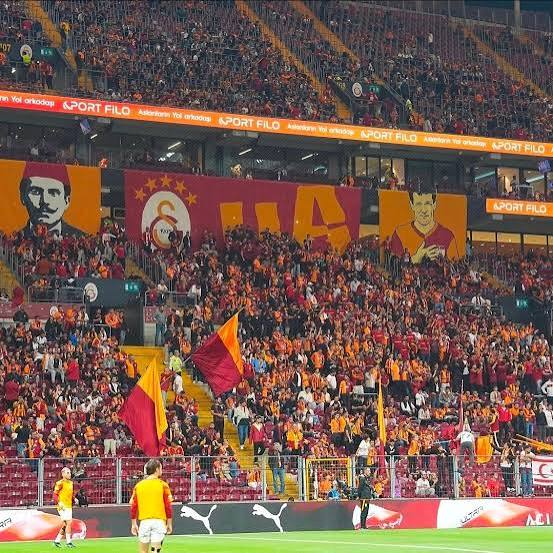
Barcelona’s reported 4-1 victory over Galatasaray in Istanbul has been followed by an unexpected stadium controversy, with viral videos raising questions about whether recorded booing was played through the venue’s loudspeakers.
The allegations have generated debate among football supporters, adding an unusual talking point to a match that had already produced a convincing result for Barcelona.
According to reports attributed to Mundo Deportivo and Cadena SER, videos shared by people at the stadium appeared to capture loud booing that some viewers believed was coming from the public address system rather than exclusively from supporters in the stands.
However, the recordings have not established that Galatasaray deliberately used artificial crowd noise to intimidate Barcelona’s players. No confirmed disciplinary action or official finding has been established in the supplied report.
Viral videos spark questions over Galatasaray’s stadium atmosphere
Galatasaray’s home ground is renowned for its intimidating atmosphere. The club’s passionate supporters, persistent chanting and deafening reactions have helped establish its stadium as one of the most challenging environments for visiting teams.
That reputation is part of the experience of playing in Istanbul, where home supporters can create intense pressure during European fixtures.
The latest controversy began when videos allegedly showed booing continuing at a volume that some viewers considered unusual. According to the reports, some recordings appeared to capture the noise even after the match had ended.
The footage has prompted speculation about whether stadium speakers were involved. Yet, a video recording alone cannot reliably establish where a sound originated, whether it was amplified, or whether any recording was deliberately played.
Until further evidence or an official explanation emerges, the claims remain allegations rather than proven misconduct.
Cadena SER and TRT Spor add to the debate
The supplied report attributes the initial coverage to Spanish broadcaster Cadena SER, which reportedly discussed videos shared by spectators.
Turkish sports outlet TRT Spor was also said to have captured a similar situation while covering Barcelona’s victory. The report describes booing continuing in the background as a presenter analysed the match.
These accounts have helped the story spread beyond social media, with supporters debating whether the sounds were generated by spectators, amplified through the stadium system or produced in another way.
Establishing what happened would require more than online speculation. Relevant evidence could include the original recordings, their timing, the stadium’s sound-system procedures and any explanation from Galatasaray or the stadium operator.
For now, the footage has raised questions without conclusively answering them.
Is playing recorded crowd noise against the rules?
The central question is whether a club can legally use artificial crowd sounds during an official football match.
The answer depends on the applicable competition regulations and the specific circumstances. It would be premature to declare that Galatasaray violated UEFA rules without identifying the relevant provision and establishing what actually occurred.
There is also an important distinction between a stadium’s ordinary sound system and the deliberate use of recordings to simulate crowd reactions. Music, announcements and other authorised audio may be subject to different rules from audio intended to influence the atmosphere during play.
If a club were found to have deliberately used artificial booing in breach of competition regulations, the matter could warrant scrutiny by the relevant authorities. But that possibility does not mean an investigation or punishment has already been initiated.
At the time of the supplied report, no confirmed ruling or sanction had been established.
Could the controversy overshadow Barcelona’s victory?
Barcelona’s reported 4-1 win should remain the main sporting result, but the allegations have created a separate debate about the atmosphere surrounding the match.
For visiting teams, hostile reactions from supporters can be part of the psychological challenge of playing away from home. Whistles and boos are familiar features of football, particularly when a home crowd is trying to unsettle an opponent.
The controversy is different because it concerns the possibility that those reactions were artificially reproduced or amplified.
If the allegations were substantiated, questions would arise about competitive fairness, stadium operations and the boundary between creating an intimidating atmosphere and manufacturing one.
Until then, the result should not be conflated with an unproven claim about how the stadium sound was produced.
Football’s atmosphere and the importance of authenticity
The noise generated by supporters is one of football’s defining features. Chants, whistles, celebrations and spontaneous reactions help create the atmosphere that makes major matches memorable.
Galatasaray’s reputation for passionate home support has been built around that tradition. The present controversy, however, highlights why claims about artificial crowd noise should be examined carefully rather than accepted solely because a recording sounds unusual.
There may be legitimate explanations for how audio is captured or amplified in a stadium. Equally, if evidence demonstrates deliberate misuse of a sound system, the relevant authorities would need to assess the conduct under the applicable rules.
The distinction matters because the integrity of the game depends both on fair competition and on accurate reporting.
What happens next?
Attention will now turn to whether Galatasaray, the stadium operator or the relevant football authorities provide further clarification.
The available claims have generated widespread discussion, but the key questions remain unanswered: where did the recorded sounds originate, were they deliberately played, and did their use breach any applicable rules?
Until those questions are resolved, the story remains a developing controversy rather than a confirmed case of misconduct.
Barcelona’s victory has therefore produced two separate talking points: the result on the pitch and the questions surrounding the atmosphere in Istanbul.
Sports Marketing International will continue to follow developments as more reliable information becomes available.




Galatasaray Accused of Playing Recorded Boos After Barcelona’s 4-1 Victory

Rio Ngumoha Reveals His Biggest Challenge at Liverpool

Man Utd Set to Discipline Lisandro Martinez After Explosive Attack on Club Hierarchy?

Lisandro Martinez Doubles Down on Manchester United Criticism After Atletico Madrid Defeat

Manchester United Stars Reportedly Back Lisandro Martínez Over Transfer Concerns

Hansi Flick Warns Barcelona They Have Won Nothing Yet Despite Galatasaray Comeback
-

 Chelsea2 days ago
Roman Abramovich’s Billions, Chelsea’s £85m Windfall and His Stance on a Football Return
-
Manchester United2 days ago
Man Utd Reportedly Regret Snubbing Ederson as Tielemans and Santos Face Scrutiny
-
LaLiga2 days ago
Dani Carvajal Reportedly Agrees Getafe Move as Real Madrid Rival Plans La Liga Rebuild
-
LaLiga2 days ago
Real Madrid Lead Race for Man Utd Wonderkid JJ Gabriel as 16-Year-Old’s Future Hangs in the Balance
-
Leicester City2 days ago
Leicester City Put Up for Sale as King Power Reportedly Sets £225m Asking Price
-
Uncategorized1 day ago
Vincent Kompany Refuses to Blame Artificial Pitch Ahead of Bayern Munich’s Viking Clash
-
 Arsenal1 day ago
Messi Names Arsenal Wonderkid Max Dowman Among Future Stars
-
Manchester City2 days ago
Gary Neville Wants Off Man City Commentary Duty Until Financial Case Is Resolved