
Uncategorized
Casino Session Planning: A Smarter Way to Set Your Limits
A casino session can feel like a simple bit of entertainment until the clock slips, the balance changes, and “one more round” starts sounding like a financial plan. Setting a few rules before play begins will not guarantee a win; it can, however, keep a leisure budget from wandering off like a chip left on the floor.
Casino content may appear in unexpected corners of the internet, including clothesmakingmavens.com. Wherever a player finds information, the useful questions stay much the same: what does the game cost, how does it work, and what limits make sense? A little scrutiny beats treating glossy graphics as a substitute for clear terms.
Decide What the Session Is For
Start with the least glamorous number: the amount you can afford to lose without affecting rent, bills, savings, or other commitments. That is a spending limit, not a target to reach. Casino games carry risk, and there is no reliable system for turning a set budget into a profit. If losing the planned amount would cause stress, the amount is too high.
Next, set a time limit. A session can be short by design, rather than ending only when luck, patience, or battery life gives out. Use a timer if needed; the human brain is remarkably talented at negotiating extensions when the reels are still spinning.
- Choose a fixed entertainment budget before opening a game.
- Decide how long you intend to play and set an alarm.
- Keep gambling funds separate from money for everyday expenses.
- Stop when either your time or spending limit is reached.
- Never borrow or chase losses to continue a session.
Read the Game Before You Play
Rules, paytables, and game information are not decorative fine print. They explain what combinations pay, how special features work, and whether a wager can trigger additional costs. Take a moment to read them before choosing a stake. If the explanation feels unclear, that is a reasonable reason to choose another game—or skip playing altogether.
For slots, return to player (RTP) is a theoretical long-run percentage based on many plays. It does not forecast what will happen during one visit, and it is not a promise that a player will receive a particular amount back. Volatility describes how payouts may be distributed: some games tend to offer smaller, more frequent wins, while others may produce longer dry spells and less frequent larger outcomes. Neither term makes a game predictable.
Table games have their own details to check, including rules that affect odds, available bet sizes, and any limits on decisions. A familiar game is not automatically a simple one. Even blackjack can change character when table rules differ; confidence, unfortunately, is not a mathematical edge.
Compare Key Features, Not Flashy Labels
A quick comparison can help narrow down a game without pretending to identify a guaranteed winner. Focus on practical details, then decide whether the pace and possible swings suit your budget and preferences.
| What to check | Why it matters | A sensible question |
|---|---|---|
| Minimum and maximum stakes | They define the available betting range. | Can I keep each wager within my plan? |
| Paytable and rules | They explain outcomes and game features. | Do I understand what each feature does? |
| RTP information | It gives a theoretical long-run measure, not a session forecast. | Am I treating this as context rather than a guarantee? |
| Volatility | It relates to the pattern and size of potential payouts. | Can my budget handle possible losing stretches? |
| Session controls | Limits and reminders can support planned boundaries. | Can I set a limit before play begins? |
Make Limits Practical
Good intentions are easier to follow when they are built into the session. Deposit limits, spending limits, time reminders, and cooling-off tools may be available through a gambling platform. Check how each setting works before relying on it, including when changes take effect. A limit that is easy to find is more useful than one buried behind a maze of menus.
It can also help to decide in advance what happens after a win. Some players choose to stop at a set time regardless of the balance; others withdraw a portion and end the session. Either way, avoid turning a winning run into permission to raise stakes. Luck can change without consulting the calendar.
Know When to Take a Break
Play should remain an optional form of entertainment, not a way to solve money worries or manage difficult feelings. Consider stepping away if you find yourself hiding gambling, borrowing to play, breaking limits, or feeling pressured to recover losses. Those signs deserve attention, not a pep talk from a slot machine.
When gambling stops feeling manageable, use available self-exclusion or blocking tools and seek support from a trusted person or a recognized gambling-help service in your region. Taking a break is not a failure of nerve; it is a practical decision. A well-planned session has a clear ending, and sometimes the smartest bet is closing the tab.




Harry Kane Reveals Meaning Behind Cryptic Message After Reported 2026 Ballon d’Or Triumph

Guti Questions Harry Kane’s Ballon d’Or Win, Agrees Award Was ‘Orchestrated’
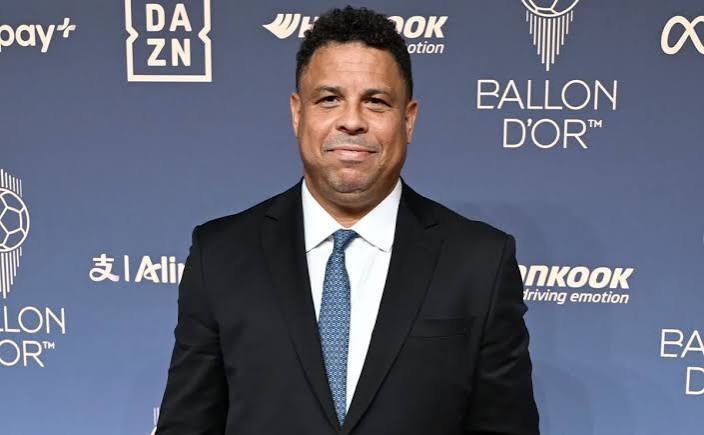
Ronaldo Nazário Backs Kylian Mbappé as His Heir Amid 2026 Ballon d’Or Race

“The War Goes On”: Bellingham Sends Warning as Real Madrid Celebrate El Clásico Win

Samuel Umtiti Criticises Lamine Yamal’s Display as Real Madrid Silence Barcelona Star

Arsenal Told Gyökeres Will Leave in 2027, Says Agbonlahor
-
![]()
![]() Barcelona21 hours ago
“The War Goes On”: Bellingham Sends Warning as Real Madrid Celebrate El Clásico Win
-
![]()
![]() Manchester United1 day ago
Alan Pardew Questions Michael Carrick’s Decision to Drop Bruno Fernandes After Man Utd Defeat
-
![]()
![]() El Clásico22 hours ago
Samuel Umtiti Criticises Lamine Yamal’s Display as Real Madrid Silence Barcelona Star
-
![]()
![]() Manchester United1 day ago
Jamie Carragher Urges Manchester United to Replace Michael Carrick With ‘Best Manager in the Premier League’
-
 Ballon d'Or1 hour ago
Guti Questions Harry Kane’s Ballon d’Or Win, Agrees Award Was ‘Orchestrated’
-
![]()
![]() Arsenal23 hours ago
Arsenal Told Gyökeres Will Leave in 2027, Says Agbonlahor
-
Ballon d'Or1 hour ago
Ronaldo Nazário Backs Kylian Mbappé as His Heir Amid 2026 Ballon d’Or Race
-
Ballon d'Or18 minutes ago
Harry Kane Reveals Meaning Behind Cryptic Message After Reported 2026 Ballon d’Or Triumph