More Sports
Six Nations Shake-Up: Why The New Six-Week Format Could Change Everything
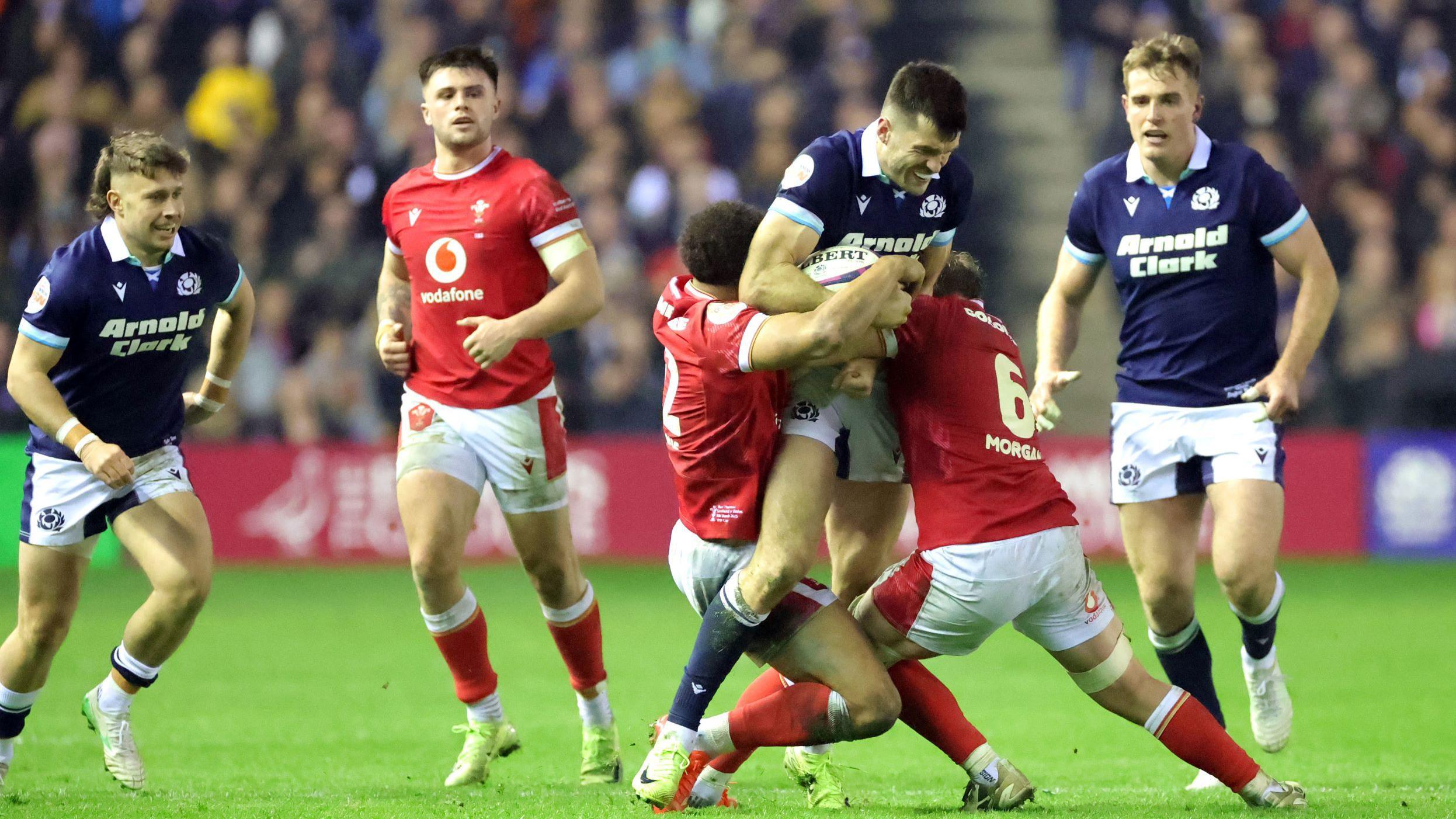
In a sport that never stops evolving, the Six Nations has always been rugby’s sacred constant.
Same six teams. Same February-to-March window. Same rhythm fans have trusted for generations. While laws change and competitions expand elsewhere, the Six Nations has stood firm—enduring, traditional, and brilliantly resistant to tinkering.
Until now.
For the first time in modern history, the Six Nations will be played over six weeks instead of seven, with only one rest weekend and three consecutive high-intensity rounds at the start. Add in a historic Thursday night opener, and suddenly rugby’s most familiar tournament feels… unfamiliar.
Why The Change Makes Commercial Sense
From a business and broadcast perspective, the logic is obvious.
A compressed schedule builds momentum, tightens narratives, and allows the Six Nations to dominate the early spring sporting calendar without interruption. That traditional mid-tournament lull always felt slightly awkward, and removing it keeps fans emotionally locked in from start to finish.
But rugby isn’t played on spreadsheets.
The Physical Cost Of Three Straight Test Matches
International rugby is brutal. Three Test matches on consecutive weekends isn’t just demanding—it’s punishing.
Former Scotland captain John Barclay summed it up perfectly when he warned that the new format will hit less-resourced nations hardest, particularly Scotland, Wales, and Italy.
Depth matters more than ever.
Barclay recalled Scotland’s infamous 2017 trip to Paris where seven players required head injury assessments. Under World Rugby protocols, those players would now miss at least 12 days—time that no longer exists in the new schedule.
Previously, teams had a recovery buffer. This year, there’s no safety net.
Squad Depth May Decide The Championship
England vice-captain Jamie George believes the new format will reward teams with deeper squads and smarter rotation.
“It puts a bigger emphasis on recovery and getting yourself right,” George explained. “You’ll probably see a lot more rotation.”
That’s good news for England and France—arguably the two best-resourced nations in the tournament.
Scotland boss Gregor Townsend expects to use 30–35 players across the six weeks. Anything beyond that, he admits, and even the strongest teams will suffer.
Ireland head coach Andy Farrell views the change as preparation for the expanded 2027 Rugby World Cup, where endurance and squad management will be even more critical.
Underdogs Face A Tougher Path
One of the Six Nations’ greatest charms is its unpredictability.
Wales—population three million—have won twice as many Grand Slams this century as England, a nation nearly 20 times larger. It’s rugby’s ultimate David vs Goliath competition.
But the new format may tilt the balance.
Italy face a brutal opening run: Scotland at home, then away trips to Ireland and France. For head coach Gonzalo Quesada, survival hinges on one thing—avoiding injuries.
Wales coach Steve Tandy echoed that concern, stressing the importance of mental freshness alongside physical recovery. “Sometimes less is more,” he admitted.
Tradition Meets Modern Reality
The Six Nations will always be special because of its history, rivalries, and emotional weight. But this year’s compressed format introduces a new variable—attrition.
The question isn’t whether the change will matter.
It’s who it will benefit.
And when March arrives, we may discover that in a tournament famous for upsets, the underdogs now face their toughest challenge yet—not just their opponents, but the calendar itself.
Want To Advertise With Us?
📩 Contact: sales@ventolitemarketing.com




Man Utd One Step Away From Finalising £43m Ederson Transfer As Manager Confirms Talks With ‘Top Club’

Pep Guardiola Admits Emotional Manchester City Exit Speech Was ‘A Disaster’

Man Utd One Step Away From Finalising £43m Ederson Transfer As Manager Confirms Talks With ‘Top Club’

Martin Odegaard Critics Leave Ex-Premier League And Norway Star ‘Shocked And Surprised’ As Arsenal Captain Has Morphed From ‘Boring’ To ‘Amazing’

Biggest Regrets? Michael Owen Picks Two Tournaments England’s ‘Golden Generation’ Of David Beckham & Co Should Have Won

The Only Way Alisson Will Leave Liverpool Amid Shock Transfer Talk As John Arne Riise Sounds ‘Nobody’ Warning To The Reds
-

 World Cup 20262 days ago
Biggest Regrets? Michael Owen Picks Two Tournaments England’s ‘Golden Generation’ Of David Beckham & Co Should Have Won
-
 Sports Analysis2 days ago
Pep Guardiola Admits Emotional Manchester City Exit Speech Was ‘A Disaster’
-
Transfers2 days ago
Man Utd One Step Away From Finalising £43m Ederson Transfer As Manager Confirms Talks With ‘Top Club’
-
World Cup 20262 days ago
Gladbach’s Gio Reyna In, Diego Luna Shockingly Out Of USMNT Squad For 2026 World Cup
-
CHAMPIONS LEAGUE2 days ago
Is Lindsey Heaps The Greatest American To Play In Europe? Lyon Star Chases History In Champions League Final
-
Transfers2 days ago
The Only Way Alisson Will Leave Liverpool Amid Shock Transfer Talk As John Arne Riise Sounds ‘Nobody’ Warning To The Reds
-
Transfers2 days ago
Man Utd One Step Away From Finalising £43m Ederson Transfer As Manager Confirms Talks With ‘Top Club’
-
World Cup 20262 days ago
Mexico Player Ratings Vs Ghana: Gilberto Mora Steals The Show As El Tri Build World Cup Momentum