More Sports
Under Pressure: Why Russell Martin’s Rangers Project Is Failing (And If He Can Fix It)
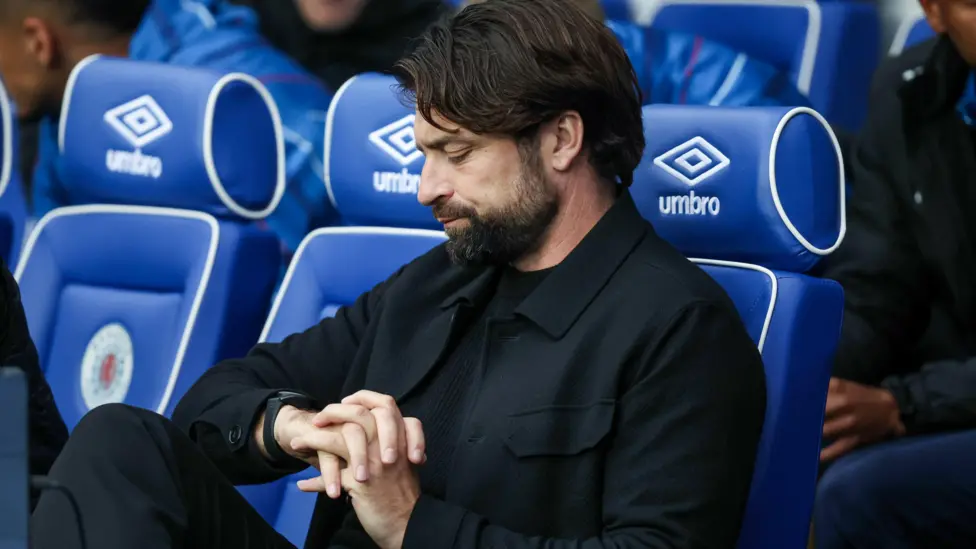
Russell Martin’s reign at Rangers has gone from ambitious to alarming in record time. Five Scottish Premiership games without a win, humiliation in Champions League qualifying against Club Brugge, and fans protesting before, during, and after matches — it’s safe to say patience at Ibrox is running thin.
The former Swansea and Southampton boss arrived with a clear philosophy: a front-footed, possession-based style designed to dominate opponents. But as Rangers sit a staggering 11th in the league, questions mount over whether Martin’s ideas fit the players at his disposal — or Scottish football itself.
What Is Martin Trying To Do?
Martin’s approach at Rangers has mirrored his previous teams. On paper, it’s adventurous and progressive:
-
High press: Rangers’ forwards push up aggressively on opposition goal-kicks, forcing mistakes.
-
Inverted full-backs: James Tavernier drops into central defence, while Max Aarons drifts wide, creating a flexible backline.
-
Through the middle play: The team seeks to build centrally before releasing wingers into one-on-one situations out wide.
-
Quick, short build-up: Sharp, one-touch passing is meant to bypass opposition presses and spring attacks.
In glimpses, it looks promising. Against Motherwell, this pressing style forced a corner that led to a goal. But the cracks in execution have become glaring against stronger opposition.
Three Reasons Martin’s System Isn’t Working
-
Dangerous Turnovers
Rangers repeatedly lose the ball in central areas, leaving themselves open to deadly counter-attacks. Losing possession wide is manageable — losing it in the middle is fatal. -
Weak Rest Defence
When Rangers attack, they often leave just three players behind the ball. That lack of balance allows opponents to slice through them with direct passes. Centre-backs have been exposed one-on-one too often. -
Player Confusion
Martin has shuffled players around with little stability. John Souttar has played on both sides of central defence, Aarons has switched full-back roles, and wingers like Djeidi Gassama and Mikey Moore have been rotated between flanks. Even Joe Rothwell has been thrust into an unfamiliar role as a lone defensive midfielder.
Without players in their natural zones, execution of Martin’s tactical plan has been inconsistent at best.
Signs of Change
The 6-0 thrashing by Club Brugge was a turning point. For the first time in his career, Martin altered his philosophy, playing wider full-backs and adjusting winger roles. Against Hibs, it worked — Rangers secured only their second domestic win of the season. Nicolas Raskin took charge of riskier passes, easing pressure on the backline.
It was a sign that Martin is finally willing to bend his beliefs in search of results.
Has He Abandoned His Philosophy?
Martin’s coaching identity has always been built on staying true to his vision, regardless of results. At MK Dons, he famously refused to change despite losing his first four games, saying:
“If I was going to get sacked, I wanted to get sacked doing something I believed in.”
But now, with protests at Ibrox and pressure at boiling point, Martin faces the biggest test of his managerial career. Stick stubbornly to his principles and risk the sack — or adapt further and rebuild trust with fans.
One thing is clear: Rangers didn’t hire Martin for short-term pragmatism. They hired him for a project. Whether that project survives the storm of early setbacks will depend on his ability to blend philosophy with flexibility.




TRIBUTE: Goodbye Henry Nwosu

Thierry Henry Coins “Braino Fernandes” After Man Utd Captain Dominates Aston Villa

FIFA Confirms DR Congo Over Nigeria for 2026 World Cup Play-Offs

Akor Adams Credits Super Eagles Experience for Boosting Confidence at Sevilla

Police Conference: Organiser Debunks Funds Diversion Story, Says Sponsors Bankrolled Event Since First Edition

Finalissima Venue Uncertain as Spain Propose Santiago Bernabéu for Argentina Clash
-

 News3 days ago
Police Conference: Organiser Debunks Funds Diversion Story, Says Sponsors Bankrolled Event Since First Edition
-
World Cup 202621 hours ago
FIFA Confirms DR Congo Over Nigeria for 2026 World Cup Play-Offs
-
News8 hours ago
TRIBUTE: Goodbye Henry Nwosu
-
Premier League19 hours ago
Thierry Henry Coins “Braino Fernandes” After Man Utd Captain Dominates Aston Villa
-
Local News22 hours ago
Akor Adams Credits Super Eagles Experience for Boosting Confidence at Sevilla