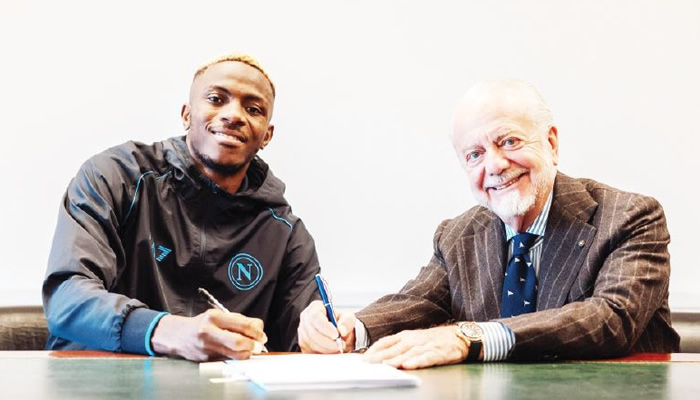
When news broke that Turkish Super Lig clubs were circling Nigerian superstar Victor Osimhen, it should have sparked excitement. But instead, it triggered a wave of backlash—not just from fans, but from key commercial stakeholders. Why the resistance? It’s not just about football — it’s about sports marketing value, global branding, and business positioning
Victor Osimhen isn’t just a goalscorer. He’s a global brand ambassador for Nigerian excellence, a face of Serie A, and a Nike-endorsed athlete. With over 200 million social media impressions during the 2023/24 season alone, Osimhen is a commercial juggernaut whose marketability extends far beyond the pitch.
His name moves jerseys, headlines, and sponsorship deals — the kind that boosts broadcast rights and puts clubs on the international map.
Top Turkish clubs, reportedly including Fenerbahçe and Galatasaray, have been linked to an audacious move for Osimhen. While they’ve made strides in attracting aging superstars and UEFA competition visibility, the leap to sign a 25-year-old top-tier African striker in his prime is unprecedented.
But here’s the catch — many stakeholders feel Turkey isn’t a big enough commercial stage for a player of Osimhen’s magnitude.
Brand executives, agents, and even fan-led sponsors have expressed concern. Why?
Market Value Suppression: A move to Turkey, despite competitive salaries, could reduce Osimhen’s exposure in top-five European markets — affecting endorsement fees and brand leverage.
Brand Dilution Risk: For a player considered a future Ballon d’Or nominee, Turkish football, with its inconsistent global TV coverage and less corporate appeal, might weaken his elite positioning.
African Sponsorship Traction: Osimhen is a symbol of modern African football. Sponsors across Nigeria and beyond are positioning him as a luxury export — a move to a lower-tier league could reduce this premium feel.
At the heart of the anger is a conflict between football dreams and commercial realities. While Turkish clubs may offer top wages and a strong fan base, Osimhen’s camp knows his next move could either elevate him to global icon status or stall his brand trajectory.
This isn’t just about where Osimhen plays — it’s about how the world sees him.
Athletes are brands — every transfer impacts commercial value.
Perception drives revenue — where you play affects how sponsors see you.
Fan emotion can shape market decisions — especially when national pride is involved.
As the Osimhen saga unfolds, one thing is clear: sports marketing is now a key player in transfer decisions. It’s no longer enough to offer big wages — clubs must now offer platforms. Turkey may have passion, but does it have the power to host Africa’s biggest brand-in-boots?
For more insights into sports business trends and African football marketing, stay locked on Sports Market International.
Early last year, 2025, the Nigerian national team, the legendary Green Eagles' captain, Chairman…
Manchester United captain Bruno Fernandes has been lauded by Arsenal legend Thierry Henry for his…
Nigeria’s Super Eagles are edging closer to missing out on the 2026 FIFA World Cup…
Akor Adams has revealed how his time with the Nigeria national football team has positively…
Lenders Consult International Limited has stated that the company and its Managing Director/Chief Executive…
The highly anticipated Finalissima clash between the Spain national football team and the Argentina national…